Table Of Content
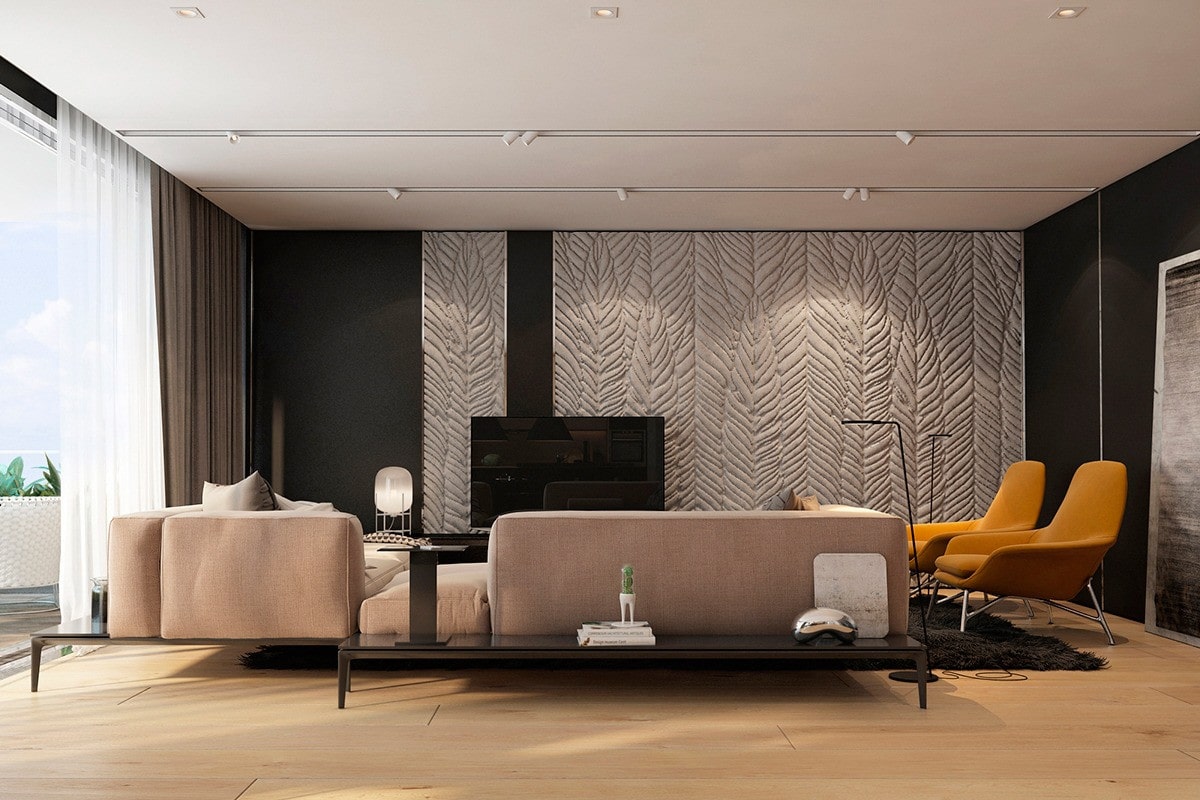
This light mossy green wall looks more like a work of art and feels fully integrated into the space instead of just blending in as a backdrop. By choosing textures that complement each other, designers can create a cohesive and harmonious design that adds depth and interest. Varying the scale of patterns and textures can add depth and visual interest to a room.
Hire an Online Interior Designer at Havenly
Furniture texture is worthy of exploring, especially as you’re most likely to come into physical contact with it. Imagine running your hand over a cool, smooth marble table, eating off a rustic oak dining table, opening the drawers of a shagreen-lined chest and kicking back in an opulent velvet sofa. Furthermore, it doesn’t take up a whole lot of space due to its incredible cloud computing feature. Anyone can create absolutely remarkable home designs with these design tools.
Custom Furniture & Interior Design Without the Custom Price
Scientists have studied the relationship between our tactile experiences and our behavior, and it’s fascinating. ARCHITEXTURE is an interior design and home furnishings business that located on Ventura Boulevard in Woodland Hills for over 20 years. Abby Rose owns this gem of a store and is its principal interior designer.
Up to 15% Off: 4 Best Patio Furniture Finds
Patterns are an essential element of interior design that can bring life and personality to a space. So let us understand the meaning and concept of texture in interior design. For example, take your winter shawl out, and it must be smooth, woven, and embellished. On similar lines, texture in interior design helps to dictate how a room feels at first glance. It will have a powerful impact on the tone and visual weight of your room. In an interior design context, texture refers to the use of furniture, textiles, objects, and finishes in a range of materials that add visual interest and tactile variation to a room design.

You can create a unique design style that reflects your individual tastes and personality by incorporating different textures, such as tactile textures, visual textures, and room textures. Designing the interior of a commercial space or home involves considering design elements such as texture to create a functional and aesthetically pleasing space. Simulated texture in interior design refers to surfaces that are smooth to the touch but are designed to look like they have a texture. While simulated textures don't offer the tactile experience of actual textures, they can still create visual interest and enhance the ambiance & depth of space.
Hiring Julio Arco as Your Online Interior Designer
Geometric patterns are a popular choice for modern and contemporary interior design. They are often used in minimalist spaces to add visual interest and depth. Mixing texture in interior design is not just a case of combining different materials and finishes. Here are six possibilities for bringing texture into your room’s design to get your creative juices flowing. Smooth and irregular surfaces deliver a room with a distinguishable personality. To give a tactile feel, you can install a wall of piled stone, a glass tile shower, slate floor tiles, or a weathered brick exterior.
Take a Softer Approach
The duo reconfigured the apartment layout, creating an L-shaped kitchen with pistachio green units set against red Rosa Alicante marble on the tabletop, worktops and backsplash. Architect Murray Barker and artist Esther Stewart opted for colours and materials in keeping with mid-century interiors when updating this 1960s apartment in Melbourne's Brunswick neighbourhood. Here are eight kitchens with eye-catching material palettes made up of contrasting colours and textures. Access design inspiration that infuses personality and culture into your spaces. When installed over cotton batting, the silk velvet Designer's Guild fabric in this room by Alison Pickart is even more decadent —and also deadens sound, which is ideal for a cozy bedroom.
Eight chocolate-brown interiors that look good enough to eat
In its renovation of a London warehouse apartment, local studio Emil Eve Architects aimed to add warmth and colour to the interior without losing its industrial character. Interior designer Alex Alonso shows that textures galore is the way to go, especially when it comes to Schumacher Brimfield wallcovering that looks like a basket weave. Designer Sarah Barnard showcases wallpaper textures plucked straight from the garden of Scalamandré. Hadley Mendelsohn is the co-host and executive producer of the podcast Dark House. When she's not busy writing about interiors, you can find her scouring vintage stores, reading, researching ghost stories, or stumbling about because she probably lost her glasses again.
- Slowing Down with Carpet: The Benefits of Soft Flooring for Art Viewing and More
Texture is an important design element that can bring a room to life and create a truly unique atmosphere. Whether you’re looking for ways to spruce up an otherwise dull living space or area or give each space its own unique look, incorporating creative textures is the perfect way to achieve your goal. By adorning your different interior spaces with textures that match the emotional intentions of the rooms, you’ll find them powerful and so helpful in creating the desired ambiance of the room.
Try blending multiple different sources of texture so that you’re not relying on just fabric or furniture finishes. Without an interior designer at your side, the intricacies of texture is one of those areas that is easy to overlook. In decorating your own home, you will find that texture weaves its way in quite naturally. A room's overall textural feel translates in a similar way to physical and visual texture, but it also touches on how we perceive things. Lighting, for example, is neither physically or visually textured itself, but it's one of the biggest contributors of texture in the home.
When you overwhelm yourself with these daunting tasks, you can lose focus and ultimately create a dull space that lacks character and warmth. Our designers work to alleviate that stress for you by introducing new interior design elements that you otherwise wouldn’t have selected yourself. Interior designers use texture in the form of tactile objects like fabrics, wood and stone to add physical comfort and visual interest to a space. An all-white room would look like a mock-up for a theater set if everything was decorated in the same shade of white.
Texture helps create a sense of volume, depth, and visual weight in a space. An art piece on a wall, complemented by an array of plush furnitures, could serve as an attention magnet, compelling the gaze towards it. Imagine a wall adorned with a captivating piece of art, nestled amongst colourful plants and tasteful decors; it naturally seizes attention, establishing itself as the central point of interest in the room. Try to choose plants and flowers that link to other textures in the space, such as the glossy verdant leaves of an oversized palm linking to lacquered, strong-lined furniture.
Alonso loves using colorful textured wallpapers in his builds and prefers working with paper-backing fabric, specifically. “These days with the development of printing and paper-backing techniques, there is a huge range of natural and specialty papers that have hand-painted applications,” Greene explains. By using textured elements alongside typography, designers can create a strong visual contrast between the textured background and the crisp, clean lines of the type. By using textures of different colors or colors that complement each other, designers can create a strong visual contrast that draws the eye and makes the design more dynamic.
IG Workshop Plays With Texture in a Bal Harbour, Miami Home - Interior Design - Interior Design
IG Workshop Plays With Texture in a Bal Harbour, Miami Home - Interior Design.
Posted: Thu, 14 Apr 2022 07:00:00 GMT [source]
So, whether you want to dress up your windows or simply create a warm and inviting environment, consider the power of warmth and texture in your home decor choices. But it’s not just the temperature that matters – the texture of the materials we touch also plays a crucial role. Soft and warm textiles, such as curtains and carpets, can create a sense of physical warmth and emotional comfort, which can help prepare us for social interactions. Have you ever walked into a room and felt immediately at ease or uncomfortable? Chances are, the room’s texture played a big part in your emotional response.
Patricia Shannon is a freelance homes writer for Better Homes & Gardens with over a decade of editorial experience. Her areas of expertise include decorating, cleaning, and how-to content. Patricia is also a regular contributor with Southern Living and Coastal Living magazines. The look and feel of the lamp itself plays a role in providing texture.


No comments:
Post a Comment